

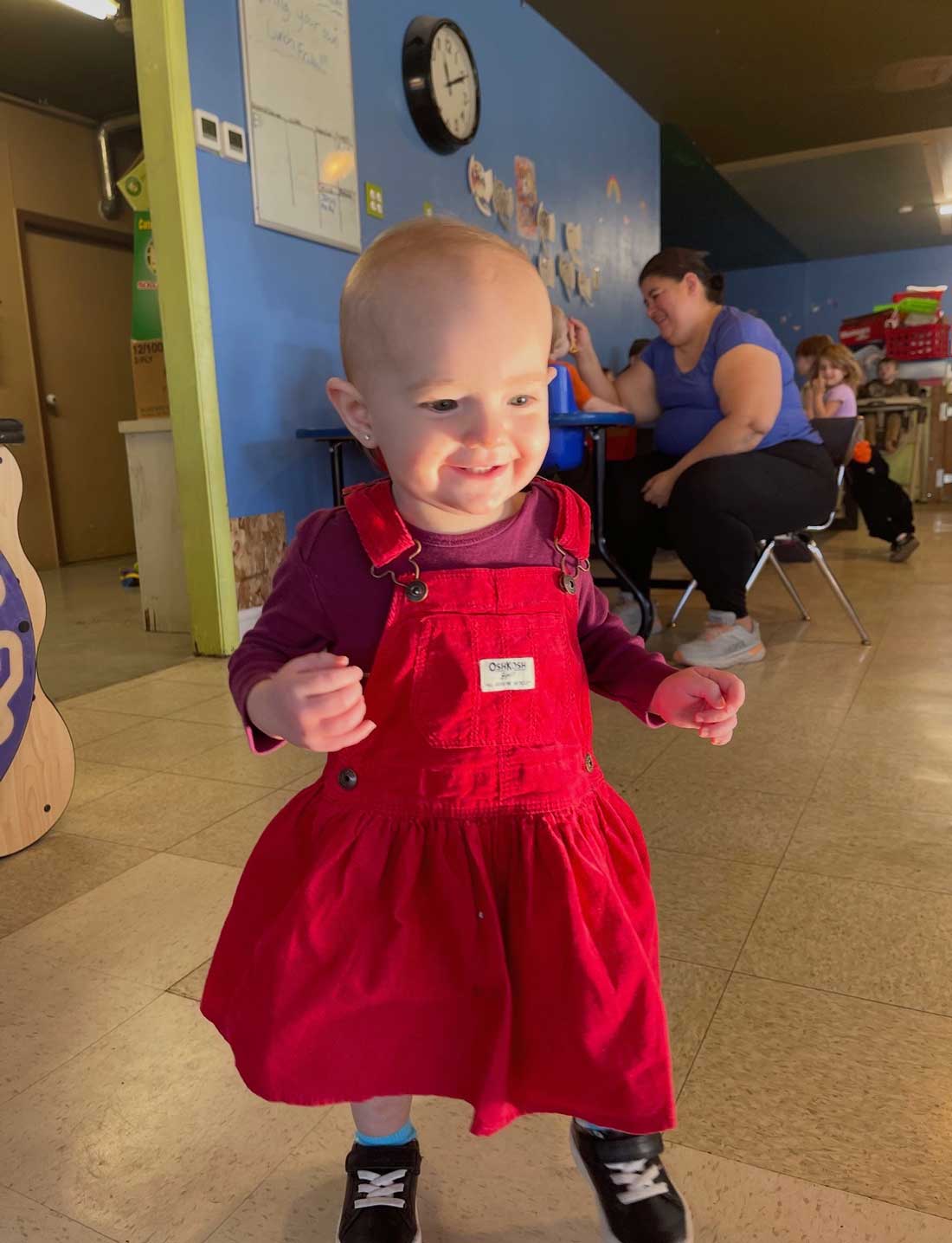
Starting daycare is a significant milestone for both children and parents. Whether you are returning to work in Twin Falls, managing a busy household in Filer, or introducing your toddler to a more structured daily routine, preparing for this transition can help everyone feel more comfortable.
The best way to prepare your baby or toddler for their first day at daycare is to gradually establish a consistent routine, practice short separations, familiarize your child with their new environment, and communicate their individual needs to their caregivers. Packing essential supplies and creating a predictable goodbye routine can also help reduce anxiety and encourage a smoother adjustment.
Before the first day, Magic Valley parents should consider the following:
-
Begin adjusting your child’s sleeping and eating schedule at least one to two weeks before daycare starts.
-
Practice brief separations with trusted family members or friends.
-
Prepare seasonally appropriate clothing for Southern Idaho’s changing temperatures.
-
Allow extra travel time if your morning commute takes you toward Twin Falls or Buhl.
-
Discuss feeding preferences, allergies, comfort items, and developmental needs with your childcare provider.
At Leapin’ Lillies Daycare, we understand how meaningful this transition can be for families. Taking small, intentional steps before your child’s first day can help build confidence and establish positive associations with their new surroundings.
Start Preparing Your Child Before Their First Day at Daycare
Preparing your child for daycare should ideally begin one to two weeks before their first day. Gradually introducing predictable routines, independent play, and short periods away from parents can help babies and toddlers become more comfortable with the changes ahead.
Families in Filer often balance work schedules, agricultural responsibilities, household commitments, and commutes throughout Twin Falls County. Establishing a dependable morning routine before daycare begins can make these responsibilities easier to manage.
For babies, focus on maintaining consistent feeding and sleeping patterns while allowing trusted adults to participate in everyday care. This may help your infant become more familiar with receiving comfort from someone other than a parent.
For toddlers, talk about daycare using simple, positive language. Explain that they will have opportunities to play, meet other children, enjoy snacks, and participate in activities before you return to pick them up.
Reading age-appropriate books about starting daycare can also introduce the concept in a reassuring way.
Establish a Consistent Sleep and Meal Schedule
A consistent sleep and meal schedule helps babies and toddlers adjust to daycare by creating familiarity during an otherwise unfamiliar experience. Parents should gradually coordinate their child’s home routine with the childcare provider’s schedule while respecting age-specific feeding and sleeping needs.
Ask about typical meal, snack, and nap arrangements before your child’s first day. Infant routines may need to remain flexible based on individual developmental needs.
If your toddler normally sleeps later in the morning, gradually adjust their bedtime and wake-up time in small increments. Avoid making dramatic changes immediately before daycare begins.
Seasonal daylight changes throughout the Magic Valley can also influence sleep habits. During Southern Idaho’s long summer evenings, blackout curtains and a consistent bedtime routine may help children settle down. In winter, preparing clothing and supplies the night before can simplify early morning departures.
A well-rested child may be better equipped to manage new experiences, unfamiliar faces, and changes in their surroundings.
Practice Separation to Reduce First-Day Anxiety
Practicing short, predictable separations can help reduce daycare anxiety by teaching your child that you will return after spending time apart. Begin with brief periods under the supervision of a trusted caregiver and gradually increase the duration as your child becomes more comfortable.
Separation anxiety is a normal developmental experience, particularly among older infants and toddlers. According to the American Academy of Pediatrics, predictable routines and consistent goodbyes can help children navigate separation.
Parents in Filer can practice by leaving their child with a trusted relative while running errands, attending an appointment, or completing household responsibilities.
Always say goodbye before leaving rather than disappearing when your child becomes distracted. Although sneaking away may temporarily prevent tears, it can make future separations feel less predictable.
Use a simple reassurance such as telling your toddler that you will return after their afternoon snack or nap. Young children often understand familiar activities better than specific times on a clock.
What Should You Pack for Your Child’s First Day at Daycare?
Your child’s first-day daycare bag should include age-appropriate feeding supplies, extra clothing, diapering essentials when needed, and any approved comfort items. Confirm the daycare’s specific requirements beforehand, since childcare providers may have different policies regarding personal belongings, food, and sleeping supplies.
Common daycare essentials include:
-
Diapers and baby wipes
-
Labeled bottles, breast milk, or formula as directed
-
Extra shirts, pants, socks, and underwear
-
Weather-appropriate outerwear
-
Approved diaper cream or other personal care products
-
Required feeding supplies
-
A permitted comfort item for toddlers
-
Any requested enrollment or health documentation
Southern Idaho’s weather makes packing appropriate clothing especially important. Families may experience chilly mornings, warm afternoons, dry summer conditions, and freezing winter temperatures.
During colder months, pack appropriate layers, a warm jacket, and other outdoor accessories requested by your provider. During summer, lightweight clothing and additional changes of clothes may be helpful.
Label personal belongings with your child’s name to reduce the likelihood of misplaced items.
For infants, remember that blankets, stuffed animals, pillows, and other loose items should not be placed in their sleep space.
Help Your Toddler Develop Age-Appropriate Independence
Encouraging age-appropriate independence before daycare can help toddlers feel more confident participating in everyday activities. Simple opportunities to practice feeding themselves, washing their hands, putting away toys, and communicating basic needs can support their transition into a group childcare environment.
Parents do not need to teach their children every skill before enrollment. Daycare is also an opportunity for children to practice emerging abilities with appropriate adult guidance.
You can encourage independence at home by allowing your toddler to choose between two outfits, place toys in a storage bin, or practice drinking from an age-appropriate cup.
Families who visit the Filer City Park or participate in activities around Twin Falls may also find opportunities for their toddlers to observe other children, practice sharing, and become comfortable in different social environments.
Keep expectations realistic. Children develop at different rates, and your toddler does not need to be fully independent or potty trained to benefit from an appropriate childcare setting.
Communicate Your Child’s Needs With Their Daycare Provider
Communicating your child’s individual needs before daycare begins helps caregivers understand their routines, preferences, health considerations, and emotional responses. Providing accurate information about feeding, allergies, sleep habits, and comforting techniques can support more consistent care throughout the transition.
For babies, discuss feeding frequency, bottle preferences, hunger cues, nap patterns, and preferred soothing techniques.
For toddlers, explain how your child communicates when they are hungry, tired, frustrated, or uncomfortable. Share information about toilet training progress, favorite activities, and any situations that may cause distress.
Parents should also provide current emergency contact information and discuss any diagnosed allergies, medical conditions, or medication requirements with their childcare provider.
Families commuting from Filer toward Twin Falls, Kimberly, or other nearby communities should ensure that authorized pickup arrangements and emergency contacts are clearly established.
Open communication can help parents and caregivers work together as children become familiar with their new environment.
Create a Calm and Predictable First-Day Drop-Off Routine
A calm daycare drop-off routine should include a brief greeting, a reassuring goodbye, and a confident departure. Keeping this process consistent can help children understand what happens each morning and gradually develop trust in their caregivers and surroundings.
Prepare as much as possible the evening before. Organize your child’s clothing, pack their daycare bag, and confirm any necessary feeding supplies.
Allow enough time in the morning to avoid unnecessary rushing. During winter in Twin Falls County, icy roads, frost, and reduced visibility may require additional travel time.
When you arrive, help your child settle in according to the provider’s drop-off procedures. Offer a hug, a kiss, or another familiar goodbye gesture.
Avoid repeatedly returning after saying goodbye unless your caregiver requests it. Extended departures can sometimes make separation more difficult.
Your child may cry even when you have prepared carefully. This does not necessarily mean they are having a negative daycare experience or that they are not ready for childcare.
Recognize Normal Daycare Adjustment Behaviors
Normal daycare adjustment behaviors can include temporary crying at drop-off, increased clinginess, changes in appetite, additional tiredness, and occasional disruptions to sleep. These responses may occur as babies and toddlers adapt to unfamiliar caregivers, new activities, and different daily routines.
Some children adjust within several days, while others need several weeks or longer. Temperament, age, previous separation experiences, and individual developmental needs can influence the adjustment process.
Common transitional behaviors include:
-
Crying when a parent leaves
-
Wanting additional physical affection at home
-
Becoming tired earlier in the evening
-
Showing hesitation around unfamiliar people
-
Experiencing temporary changes in eating habits
-
Becoming more emotionally sensitive
-
Having occasional disruptions to established routines
After pickup, provide opportunities for quiet play, connection, and rest. A busy day at daycare followed by additional errands or activities throughout the Magic Valley may leave some children feeling overstimulated.
If distress remains intense, your child consistently struggles to eat or drink, or you notice significant behavioral changes, discuss your concerns with the daycare provider and your child’s pediatrician as appropriate.
Avoid Common Mistakes When Starting Daycare
The most common mistakes when starting daycare include changing too many routines at once, prolonging goodbyes, failing to communicate important care information, and expecting immediate adjustment. Gradual preparation and realistic expectations can help families navigate the transition more effectively.
Starting daycare at the same time as potty training, weaning, or moving to a new bed may create unnecessary challenges. When possible, space out major developmental transitions.
Another common mistake is discussing daycare with visible worry or repeatedly asking whether your child is scared. Toddlers can respond to the emotional tone of conversations, even when they do not fully understand the words.
Instead, describe daycare as a familiar part of their upcoming routine.
Parents should also avoid comparing their child’s adjustment to that of other children. A toddler who eagerly enters daycare on the first morning may have a different experience from one who needs additional reassurance.
Both experiences can be developmentally normal.
Should You Consider a Gradual Transition Into Daycare?
A gradual transition into daycare may help some babies and toddlers become comfortable with unfamiliar caregivers and surroundings before beginning full-length days. Short introductory visits or reduced initial attendance may be beneficial when available and compatible with the childcare provider’s policies.
For example, a family living in Filer with a parent returning to work in Twin Falls might begin practicing their morning routine before the parent’s official return date.
If the provider permits introductory visits, the child may have an opportunity to become familiar with the environment before their regular attendance begins.
However, gradual enrollment is not always practical. Work schedules, childcare availability, and family responsibilities can make an immediate full-day transition necessary.
When shorter introductory days are unavailable, consistent routines at home, clear communication, and predictable drop-offs can still provide valuable support.
Frequently Asked Questions
What age is best for a child to start daycare in Filer, ID?
There is no universally ideal age to start daycare. The decision depends on your family’s circumstances, your child’s developmental needs, and the availability of appropriate childcare. Parents should consider caregiver qualifications, safety practices, communication, and whether the environment supports their child’s age and individual needs.
How long does it take a toddler to adjust to daycare?
Some toddlers adjust within a few days, while others may need several weeks or longer. Consistent attendance, predictable goodbyes, familiar routines, and supportive caregivers can help. Parents should focus on gradual progress rather than expecting their child to adjust within a specific timeframe.
What should my baby wear to daycare during winter in Filer?
Babies should wear comfortable, seasonally appropriate clothing that can be adjusted as temperatures change. Southern Idaho winters can bring freezing temperatures and cold winds, making layers useful. Avoid bulky coats underneath car seat harnesses, and confirm your daycare provider’s requirements for outdoor clothing.
Should I bring a comfort item to daycare?
An approved comfort item may help toddlers feel more secure during their transition. Ask your childcare provider which personal belongings are permitted. For infants, safe sleep guidelines require keeping blankets, stuffed animals, pillows, and other loose objects out of their sleeping area.
What if my child cries every morning at daycare drop-off?
Crying during drop-off can be a normal response to separation. Maintain a consistent goodbye routine and ask caregivers how your child behaves after you leave. If distress continues throughout the day or does not gradually improve, work with your provider to develop an individualized approach.
How can working parents in Twin Falls County make daycare mornings easier?
Working parents can simplify mornings by preparing clothing, feeding supplies, and daycare bags the evening before. Establish a consistent wake-up time and allow extra travel time during winter weather or busy commuting periods. Having a predictable routine can reduce stress for both parents and children.
Does my toddler need to be potty trained before starting daycare?
Potty training requirements vary by childcare provider and age group. Ask about specific enrollment policies before your child’s first day. Avoid pressuring your toddler to complete toilet training simply because daycare is approaching, and communicate their current progress with their caregivers.
What should I look for when choosing a daycare in Filer, ID?
Look for an age-appropriate childcare environment with attentive caregivers, clear safety procedures, appropriate supervision, and open communication with families. Ask about daily routines, feeding arrangements, safe sleep practices, illness policies, emergency procedures, and applicable licensing requirements before making an enrollment decision.
Give Your Child a Positive Start at Daycare in Filer, ID
Preparing for daycare involves building familiarity, establishing consistent routines, and creating a supportive partnership between parents and caregivers. With patience and realistic expectations, babies and toddlers can gradually develop confidence as they explore new experiences and relationships.
We understand that choosing childcare is an important decision for your family. At our daycare in Filer, ID, we welcome the opportunity to discuss your child’s individual needs, answer your questions, and help you prepare for this exciting milestone. Contact us today to learn more about our childcare options, enrollment availability, and how we can support your family’s transition into daycare.